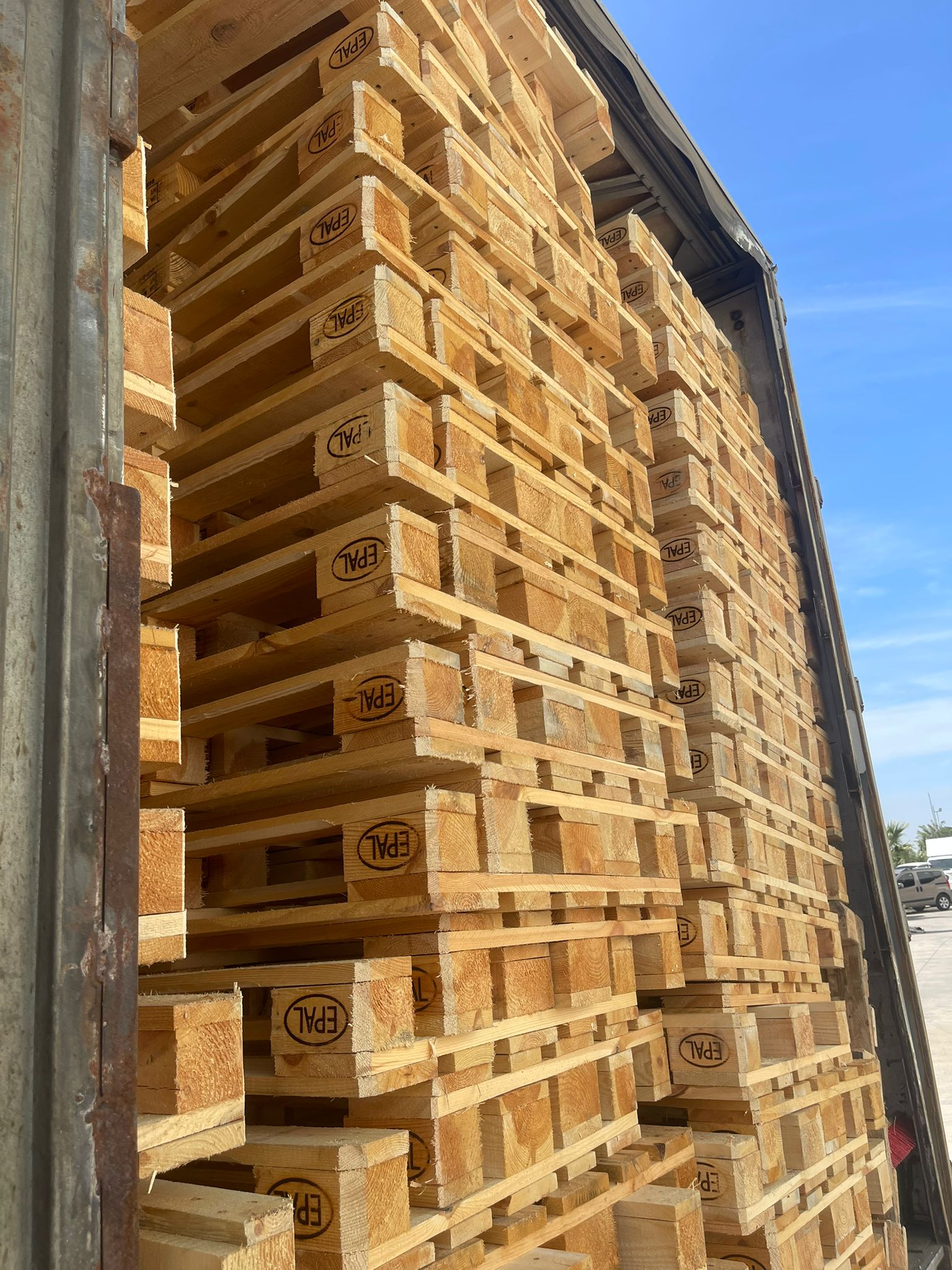
Wooden Pallets for Shipping: An Eco-Friendly and Efficient Choice
In the ever-evolving world of logistics, one component has proven indispensable: wooden pallets. Acting as the foundation of freight transport, wooden pallets provide a tough, environmentally friendly, and economically feasible solution for shipping products across numerous sectors. This post explores the multitude of advantages provided by wooden pallets, their requirements, and their function in an environmentally sustainable supply chain.
The Advantages of Using Wooden Pallets
1. Strength and Durability
Wooden pallets are renowned for their extraordinary strength, making them suitable for transporting heavy loads. Constructed from tough or softwoods, these pallets can stand up to the rigors of transport, stacking, and handling.
Table 1: Strength Comparison of Different Pallet Materials
| Material Type | Load Capacity (lbs) | Typical Uses |
|---|---|---|
| Wooden Pallets | 1,500 - 4,000 | Heavy goods, equipment |
| Plastic Pallets | 1,000 - 3,000 | Food, pharmaceuticals |
| Metal Pallets | 2,000 - 5,000 | Industrial and outside use |
2. Cost-Effectiveness
Wooden pallets are generally less costly than their plastic or metal equivalents. They are readily available and can be recycled multiple times, making them an economical choice for businesses.
3. Eco-Friendly Option
As the world significantly concentrates on sustainability, wooden pallets shine with their eco-friendliness. Sourced from renewable resources, wooden pallets are biodegradable and can be recycled into other wood items once they reach completion of their beneficial life.
4. Customization
Wooden pallets can be quickly customized to meet particular measurements and tolerances. This flexibility boosts their functionality for different products and applications in various industries.
5. Quickly Repairable
Among the most significant benefits of wooden pallets is their reparability. Harmed pallets can often be repaired utilizing simple tools, decreasing waste and preserving expense performance for organizations.
Kinds Of Wooden Pallets
There are two main types of wooden pallets used in shipping:
1. Block Pallets
- Description: These pallets consist of blocks for improved stability and strength.
- Benefits: They can be raised from all 4 sides, making them flexible for numerous forklifts and pallet jacks.
2. Stringer Pallets
- Description: Stringer pallets are made up of boards or stringers that provide assistance by connecting the top and bottom decks.
- Advantages: They are frequently lighter and less costly, however less robust compared to obstruct pallets.
Table 2: Comparison of Block and Stringer Pallets
| Function | Block Pallets | Stringer Pallets |
|---|---|---|
| Raising Direction | All four sides | 2 sides just |
| Weight | Much heavier (more resilient) | Lighter (more economical) |
| Repairability | Moderate | Easier |
| Applications | Heavy loads/industrial use | General use |
Best Practices for Shipping with Wooden Pallets
1. Appropriate Loading Techniques
To maximize the energy of wooden pallets, it is crucial to distribute the weight uniformly throughout the pallet. Avoid overloading, which can cause damage.
2. Routine Inspections
Examining wooden pallets regularly for signs of damage makes sure security in transferring goods. Look for Wooden Pallets For Shipping , split boards, and extreme wear.
3. Selecting the Right Type
Depending on the weight and kind of goods being carried, using the appropriate kind of pallet (block vs. stringer) is necessary to optimize security and efficiency.
4. Adequate Storage
Store wooden pallets in a dry location to prevent the destruction of wood due to wetness, which can result in mold or warping.
FAQ Section
Q1: Are wooden pallets safe for food transportation?
A1: Yes, wooden pallets can be safe for food transportation. However, it's important to utilize heat-treated pallets that reduce the risk of contamination and abide by food safety requirements.
Q2: How lots of times can a wooden pallet be reused?
A2: The life expectancy of a wooden pallet can vary from 5 to 15 journeys, depending on its building and construction quality and the care it gets throughout usage.
Q3: What is heat treatment concerning wooden pallets?
A3: Heat treatment is a procedure that includes heating the pallets to a specific temperature to exterminate pests and pathogens, making them safe for global shipping based on ISPM 15 guidelines.
Q4: Can wooden pallets be recycled?
A4: Yes, wooden pallets can be easily recycled into mulch or re-manufactured into new pallets or wood-based items, contributing to a circular economy.
Q5: What are the options to wooden pallets?
A5: Alternatives consist of plastic and metal pallets. While they do provide certain advantages such as enhanced tidiness and longevity, they frequently come with greater costs and ecological factors to consider.
Wooden pallets represent a time-tested choice for shipping in the logistics industry. Their blend of strength, cost-effectiveness, and eco-friendliness makes them a staple across a variety of sectors-- from food and beverage to manufacturing and retail. By adopting best practices and understanding the subtleties of pallet types and maintenance, companies can enhance their shipping processes while contributing to a sustainable future. The choice for wooden pallets, amidst the rising alternatives, underscores their continued significance in the modern supply chain landscape.